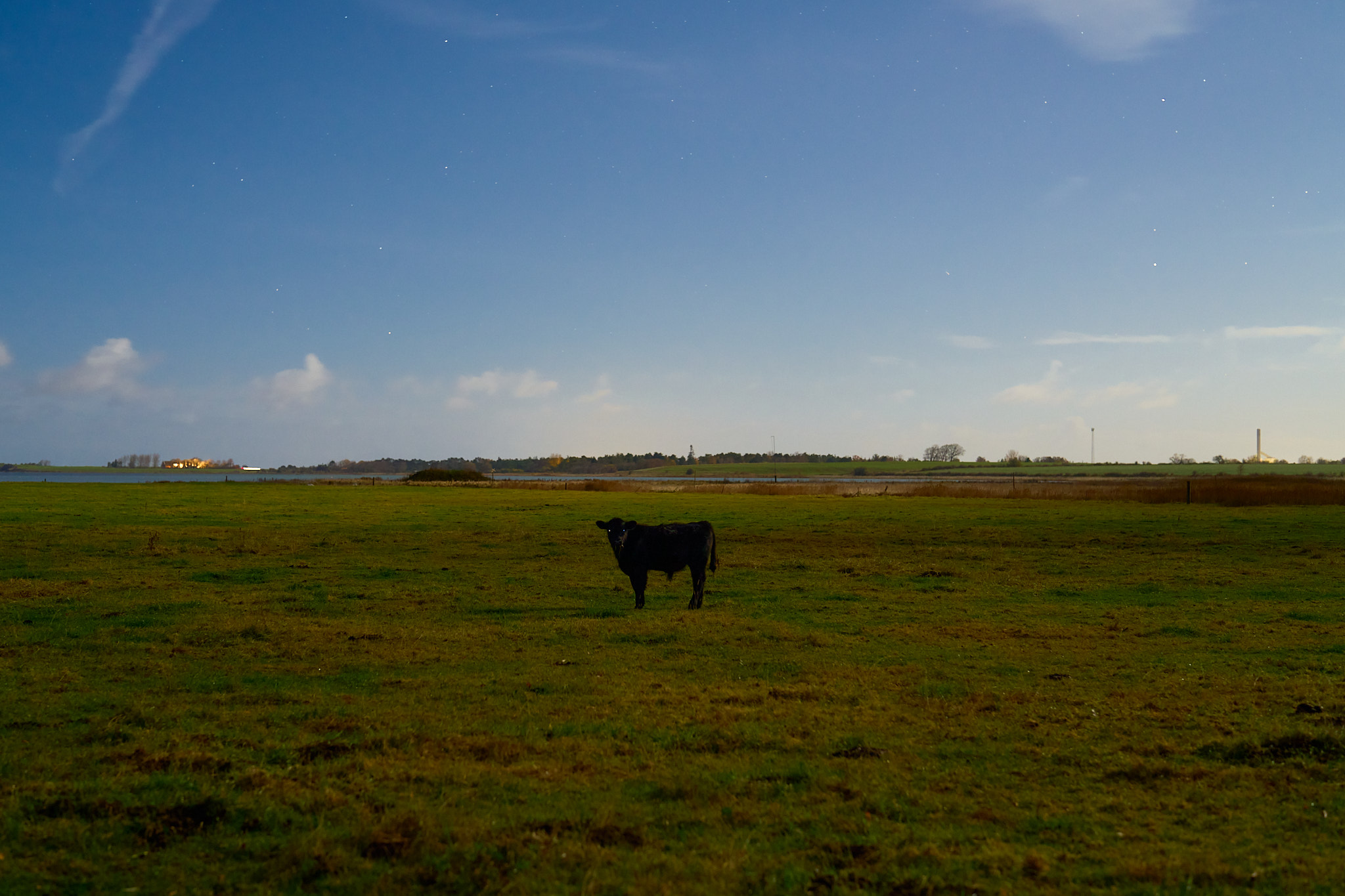
These images were made in near-darkness, using only the soft, directional light of the moon. Over a few seconds, the landscape gathers just enough light to reveal itself rendered in a way that feels both familiar and slightly unreal.
These images were made in near-darkness, using only the soft, directional light of the moon. Over a few seconds, the landscape gathers just enough light to reveal itself—rocks, trees, water, and sky rendered in a way that feels both familiar and slightly unreal.




Waking up in Antalya after a late flight, I spent the day exploring the narrow, sun-drenched alleys of Kaleiçi (the Old Quarter). Historically, this area is a living timeline: founded as Attaleia by the Pergamene King Attalus II in the 2nd century BC, it later became a major Roman port—marked by the grand marble arches of Hadrian’s Gate, still standing today. My exploration wasn’t just historical, though; it was a logistical puzzle.
Since it was Sunday, March 24, which fell during the holy month of Ramadan, many smaller shops were shuttered. Finding a gas canister for my camping stove became an unexpected challenge. Eventually, my search led me to a building supplies store, the Banio Yapı Market Lara Şubesi, where I finally secured my fuel. With the gear complete and the sun setting behind the Seljuk-era Fluted Minaret, I settled into my second night at the Sunrise Hotel, a budget-friendly hotel I had booked for a surprisingly reasonable price.
The view from the roof of the Sunrise hotel, over the bay of Antalya.
The second day began with a short walk to the bus station and a three-hour bus journey westward to Fethiye, a coastal hub that sits atop the ruins of ancient Telmessos. After a final supply run in Fethiye and a short walk, I reached the official wooden archway of the Likya Yolu (Lycian Way), marking the beginning of my trek. The path climbed steeply through pine-scented hills, offering sweeping views of the turquoise waters below.
After a 6–7 hour hike, I set up camp in the mountains overlooking Kelebekler Vadisi (Butterfly Valley). As night fell over the Mediterranean, the isolation of the hillside was punctuated by the rhythmic, hauntingly beautiful sound of the Ezan (call to prayer) drifting up from the village mosques in the valley below, as I fell asleep tucked away in my tent.

A yellow signpost on a cliffside pointing toward different sections of the trail, overlooking the turquoise waters of Ölüdeniz bay.
The Lycian Way presents an extraordinary variety of landscapes. One day you might be climbing steep mountain passes through fragrant pine forests, the next walking along pristine beaches with turquoise waters. The trail takes you through rugged coastal mountains, hidden coves, fertile valleys, and charming traditional villages.
One of the most memorable sections is the climb to Mount Olympos (Tahtalı Dağı), where at 2,365 meters, you’re rewarded with panoramic views of the entire Mediterranean coast. On clear days, you can see from Rhodes in the west to Antalya in the east. The diversity of flora and fauna along the trail is remarkable, with endemic species found nowhere else in the world.

The journey begins in Fethiye, a charming coastal town with a beautiful harbor. From there, the trail winds its way through some of Turkey’s most spectacular scenery:
Butterfly Valley: A hidden paradise accessible only by boat or a challenging descent, home to over 100 butterfly species.
Kabak Bay: A stunning secluded beach surrounded by dramatic cliffs, offering some of the best camping spots along the trail.
Patara: Home to one of Turkey’s longest beaches and the birthplace of St. Nicholas (Santa Claus).
Kalkan: A picturesque town with whitewashed houses cascading down to a beautiful harbor.
Kaş: A vibrant town known for its crystal-clear waters and excellent diving spots.
Olympos: An ancient city scattered through a forested valley, leading to a beautiful beach.


What truly sets the Lycian Way apart is the opportunity to experience authentic Turkish culture. The trail passes through numerous small villages where time seems to stand still. Here, you’ll encounter warm hospitality, with locals often inviting hikers for tea or sharing stories about their region.
The cuisine along the trail is a highlight in itself. Fresh seafood, olive oil, local cheeses, and seasonal vegetables feature prominently in the traditional Turkish diet. Many small pensions and guesthouses offer home-cooked meals that showcase the best of Mediterranean Turkish cooking.

The Lycian Way is typically hiked between April and June or September and October when the weather is most favorable. Summer temperatures can be extreme, especially in the coastal sections. The trail is well-marked with red and white waymarkers, but having a good map and GPS is recommended.
Accommodation ranges from camping and basic pensions to comfortable hotels in the larger towns. Water sources are generally reliable, but carrying a filter is advisable. The terrain can be challenging, with steep ascents and descents, so good physical fitness is essential.
For photographers, the Lycian Way is paradise. The golden hour light on the Mediterranean coast is simply magical. Ancient ruins against dramatic backdrops, traditional village life, and stunning landscapes provide endless opportunities for compelling images.
Some of the best photographic moments include sunrise over the sea from high mountain passes, the warm glow of sunset on ancient stone walls, and the vibrant colors of local markets. The interplay between ancient history and natural beauty creates a unique visual narrative that’s hard to find anywhere else.


Completing the Lycian Way is more than just a physical achievement; it’s a journey through time and culture. The trail teaches patience, resilience, and appreciation for both natural beauty and human history. Each day brings new discoveries, whether it’s a hidden beach, a perfectly preserved ruin, or a meaningful conversation with a local.
The Lycian Way reminds us that the most rewarding journeys are those that engage not just our bodies, but our minds and spirits as well. It’s a trail that stays with you long after you’ve returned home, calling you back to its ancient paths and endless horizons.

Waking up in Antalya after a late flight, I spent the day exploring the narrow, sun-drenched alleys of Kaleiçi (the Old Quarter). Historically, this area is a living timeline: founded as Attaleia by the Pergamene King Attalus II in the 2nd century BC, it later became a major Roman port—marked by the grand marble arches of Hadrian’s Gate, still standing today. My exploration wasn’t just historical, though; it was a logistical puzzle.
Since it was Sunday, March 24, which fell during the holy month of Ramadan, many smaller shops were shuttered. Finding a gas canister for my camping stove became an unexpected challenge. Eventually, my search led me to a building supplies store, the Banio Yapı Market Lara Şubesi, where I finally secured my fuel. With the gear complete and the sun setting behind the Seljuk-era Fluted Minaret, I settled into my second night at the Sunrise Hotel, a budget-friendly hotel I had booked for a surprisingly reasonable price.
The view from the roof of the Sunrise hotel, overlooking the bay of Antalya before starting the trail.
The second day began with a short walk to the bus station and a three-hour bus journey westward to Fethiye, a coastal hub that sits atop the ruins of ancient Telmessos. After a final supply run in Fethiye and a short walk, I reached the official wooden archway of the Likya Yolu (Lycian Way), marking the beginning of my trek. The path climbed steeply through pine-scented hills, offering sweeping views of the turquoise waters below.
After a 6–7 hour hike, I set up camp in the mountains overlooking Kelebekler Vadisi (Butterfly Valley). As night fell over the Mediterranean, the isolation of the hillside was punctuated by the rhythmic, hauntingly beautiful sound of the Ezan (call to prayer) drifting up from the village mosques in the valley below, as I fell asleep tucked away in my tent.

A wide-angle landscape looking out over the sheer cliffs and the hazy blue expanse of the Mediterranean.
I broke camp at first light, setting off just as the sun began to crest the ridges of the Taurus Mountains. By noon, the trail descended into the secluded bay of Kabak, a valley that has transitioned from a hidden hippy retreat to a gateway for trekkers. After a revitalizing swim in the azure waters and a quick ice cream to cut the midday heat, I pushed onward toward Cennet Beach (Paradise Beach).

I followed this worn mule trail up into the hills; it doesn’t look like much, but it’s incredible to think it’s likely thousands of years old.
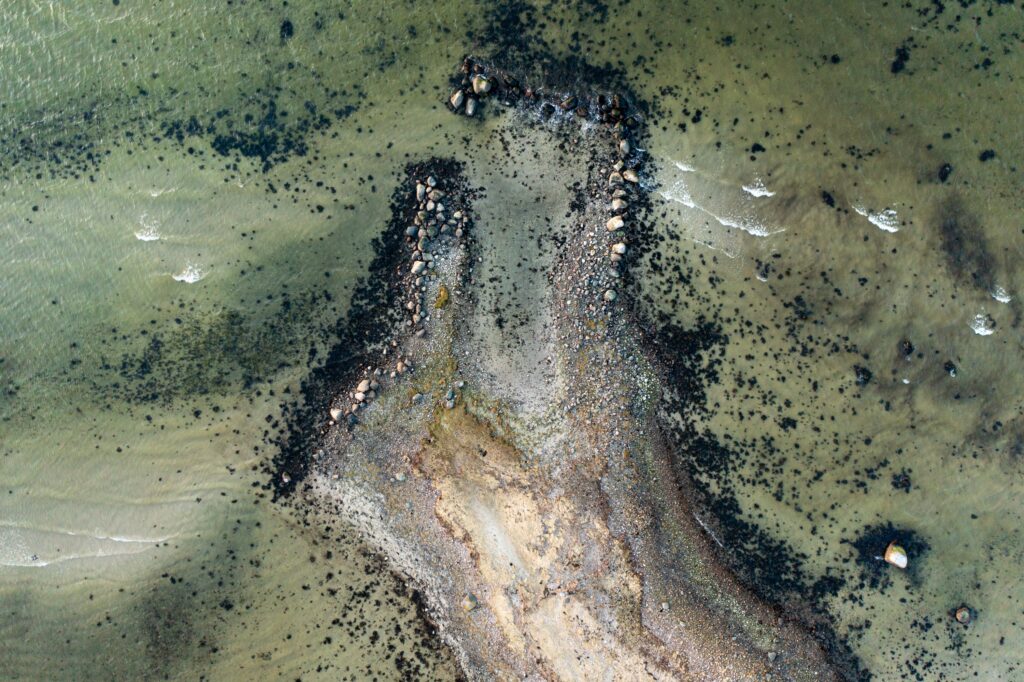
The afternoon presented a navigational challenge; the Lycian Way is rugged, and a few obscured trail markers led me on a brief detour through the scrubland. Eventually I rejoined the trail, which led me to the day’s undisputed highlight: the ancient site near İzci Tepesi, known historically as Kalabantia. This was once a strategic Lycian port, and even today, you can see the massive, weathered stones of the ancient harbor walls stretching out into the turquoise surf like skeletal fingers.
The Lycians were an independent maritime people, and Kalabantia likely served as a vital link for the Lycian League—the world’s first known democratic federation. After a swim among the ruins, I began the grueling ascent up a preserved ancient mule trail. The path, worn smooth by millennia of hooves and sandals, climbed steeply into the hills. After passing an old cistern, I eventually found a plateau to pitch my tent, perched high above the Mediterranean with a panoramic view of the coastline I had hiked.